Table of Content
You instantly become eligible for a 26% Federal Solar Tax Credit, as well as other incentives depending on your area. The average architect charges between $1.50 and $2.50 per square foot, which means you will end up spending between $3,000 to $6,250 on your architect fees. If you don’t already own the land you’re going to build your home on, that’s going to be the first thing on your list of things to do. Also, consider local regulations, as residential construction restrictions vary by city, county, and state. Check out the land rules and regulations before embarking on construction. These features also have additional upkeep costs that need to be considered, so don’t forget about those.

Use the cost breakdown below to check bids provided by construction companies. These costs are based on a 2,000 square foot home built at an average cost of $125 per square foot. These prices are averages and will vary depending on the materials used, type of home, and quality of construction. According to the National Association of Home Builders, a general contractor's expenses are $85 per square foot for new home construction.
New construction cost predictions in 2023
Costs are similar for both wall finish options (wetplasterng wallsor dry-lining). The standard specification assumes emulsion paint throughout, with minimal tiling to kitchen and bathrooms at £64/m² (£14,080). Following industry standards allows you to use industry standard sized materials such as plasterboard on your walls. The more complex theroof structure, the more likely it will have to be cut on site, using more labour and timber than factory-made trusses. The low pitch means the rafter lengths are shorter, using less timber, and the manufactured trusses use a web of thinner timbers, again reducing materials costs. Using reconstituted stone costs much the same for labour, but slightly reduces materials costs.
There are a number of different estimators available online, so take some time to compare and find one that best meets your needs. With a little planning and preparation, you can build the home of your dreams without breaking the bank. While there are many ways to cut costs when building a new home, the only way to really build a cheap house is to opt for a smaller size or one that's already partially constructed. According to HomeAdvisor, a tiny house can cost as little as $8,000 if you restrict your material costs and take on most of the labor. Shipping container homes, made from recycled shipping containers and that come with a roof and walls, can cost around $30,000 to convert to a house. Prefab house kits are another option to consider—catering to beginner builders, they include most of the material you need and feature simple building instructions for a basic but comfortable home.
Cost to Build a Small House
When you take the time to craft a schedule with that level of detail, it allows you to schedule out all your labor and subcontractors well in advance. That way, any issues with labor shortages that may pop up won’t affect you. By the way, you also shouldn’t buy or build a house unless you’re debt-free with a full emergency fund of 3–6 months’ worth of your expenses. It’s the only way to be sure you can afford all the expenses that go along with homeownership—not just the mortgage payment.

And it’s actually far below the cost of an equivalent home here PERIOD. A paved driveway costs roughly $4,500 while a gravel driveway averages much less, at just around $1,500. Like roofing, high-quality weatherproof wrapping and exterior siding is an investment in the durability of your home. The foundation is one of the most important parts of your home and also a large portion of any construction budget. Expect to spend between $4,500 and $13,500 for a typical slab foundation. What all of this means is that you can build a 2,800-square-foot home for about $468,318 if you hire and manage your vendors well.
Finished Lot: $90,000
Depending on the square footage and customizations, you’ll find many kit homes for as little as $50,000 and upwards of $300,000. “Prices start at about $16,000,” says Chrisman, “and it is literally just a shell. A home costing between $89 and $160 per square foot is currently being built. The cost of land, impact fees, financing, marketing, and sales commissions do not count. A new house’s cost per square foot can vary greatly due to a variety of factors, ranging from $89 to $414,871. A house’s size, foundations, roof pitch, and the quality of the building materials are just a few of the factors that can influence how it looks.

Framing lumber that once set builders back about $350 per 1,000 board feet is now running $1,200—a 250% jump in price. While building the countryside may be cheaper in terms of construction, you will have to consider additional costs like a septic system, concrete to reach the road, and propane for heating. “If you don’t have cash to pay for the piece of land, you have to get financing. First, you find the parcel, and you finance the purchase of the land. Then you finance the construction of the house, but these are two separate things,” Aminov explains, adding that the combination can be a complicated process. According to Chad Hackmann, regional partner at Alair Homes Arlington, it’s been his experience that people who want to build their own home tend to enjoy the process.
Oftentimes, it is cheaper to buy a pre-built home that comes with both land and a house. Although, whether it’s cheaper to build or buy a house depends mostly on the housing market near you. If land and labor are in large supply, demand low, and if homes in your area need significant repair or upgrades, it may be cheaper to build. Purchasing the plot of land that you’ll build on is the first expense you’ll encounter. However, land value is not included in our $300,000 average because prices vary widely based on innumerable factors ranging from soil quality to the view from your new front porch.
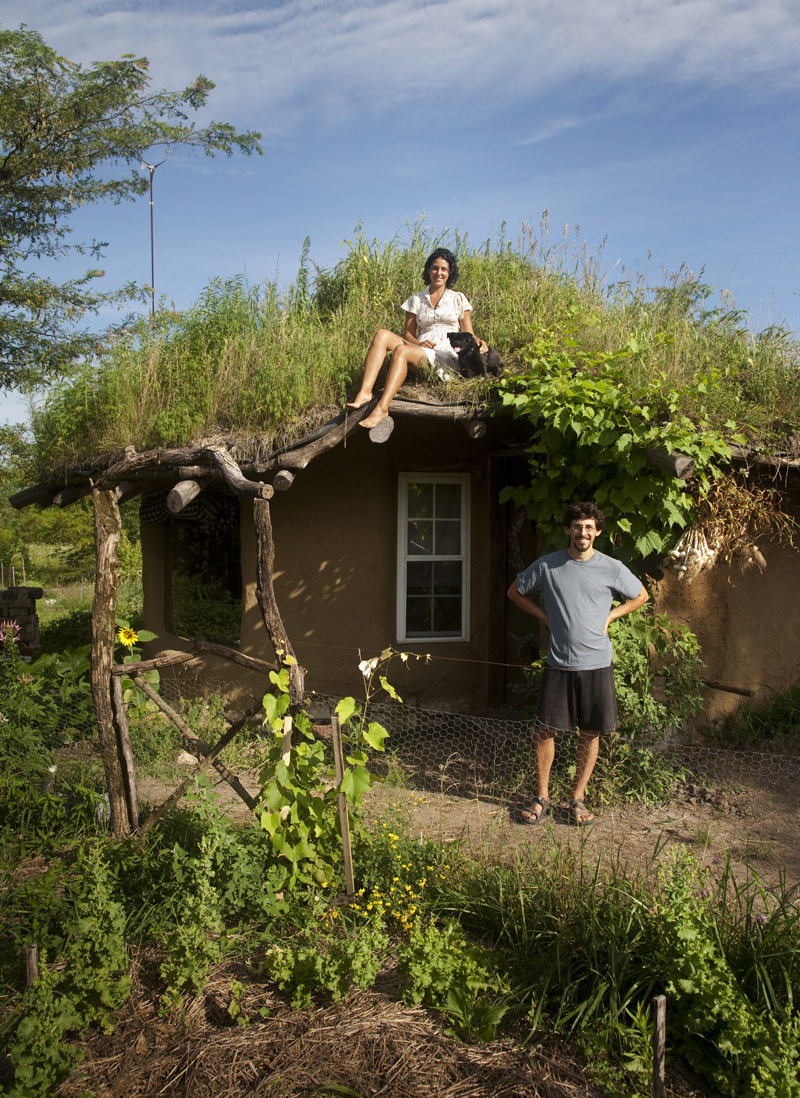
And I hope it encourages you that with a little work, you can build a home on a budget. And we’re also choosing to be open and honest about where we didn’t hit the mark on our budget. And I’m back to share what we actually spent building our new home. Samantha is an editor who covers all topics home-related including home improvement and repair. She edited home repair and design content at websites like The Spruce and HomeAdvisor.
Clear the building site of brush and other debris, down to ground level and at least 25 feet around the planned house perimeter. Yet very few people are qualified to act as their own general contractor . Building a house requires you to pull together many strings and make sure that they coordinate in a myriad of ways.

Choosing solid hardwood flooring ($7.80 per square foot) will also cost you. Your new house will also need new appliances, like a refrigerator, dishwasher, and washer/dryer. If it’s your first time buying large appliances, it’s a good idea to check out price ranges so you can add these items to your calculations.
I really like how you broke each expense down in so much detail. We haven’t tackled a big reno in a few years, but we have a few on the horizon, and I feel like that will be a very informative activity that will set us up for more projects down the road. This was such a great post and I think you guys did awesome regardless of going over your planned budget… and I think you have mad skills. But putting it out there for the world feels a little like going out of the house without pants on.
Site work is an umbrella term that includes several elements of the home-building process, the first of which is creating your building plans. An architect or draftsperson can create your building plans, which spell out all your new home’s details—from the size and layout to the electrical wiring and design. A finished lot, as opposed to undeveloped land, includes both the land your house will sit on and all the utility systems you need—like water lines, electric lines and a sewage system. Now, the cost for you to build a house will depend on factors like size, location, labor, materials andcurrent real estate trends. That makes it difficult to nail down a perfectly accurate, one-size-fits-all answer.
Just the materials for house building typically cost around $50 to $60 per square foot, but this usually doesn’t include the cost to rent special equipment. For starters, you’ll likely need a 20% down payment since construction loans are considered higher-risk. Along with the usual financial documents needed for your loan application, you need to provide project plans, costs, and land value.

The cost for a shell home can vary widely by square footage and region, as well as by the number of subcontractors you might need to hire. “You will still be required to have a zoning inspector sign off on the work,” she says. However, tiny homes usually don’t qualify for mortgages, as many banks don’t recognize them as houses.


No comments:
Post a Comment